





Screen Time vs Mat Time: Getting Kids Off Devices and Into Martial Arts
Screen Time vs Mat Time: Getting Kids Off Devices and Into Martial Arts
As a parent, have you noticed your child reaching for a tablet the moment they wake up? Do family dinners include negotiating "just five more minutes" of gaming? You're not alone. The battle against excessive screen time has become one of modern parenting's biggest challenges, but martial arts training offers a powerful solution that goes beyond simply limiting device access.
The Screen Time Crisis: Understanding the Problem
Recent studies show that children aged 8-12 spend an average of 4-6 hours per day on screens for entertainment, while teenagers often exceed 7-9 hours [https://backlinko.com/screen-time-statistics]. That's more time than they spend sleeping, and significantly more than they spend being physically active. The concerns extend beyond just "wasted time":
Physical Health Impacts:
- Increased risk of childhood obesity
- Poor posture and musculoskeletal problems
- Eye strain and vision issues
- Disrupted sleep patterns affecting growth and development
Mental and Emotional Concerns:
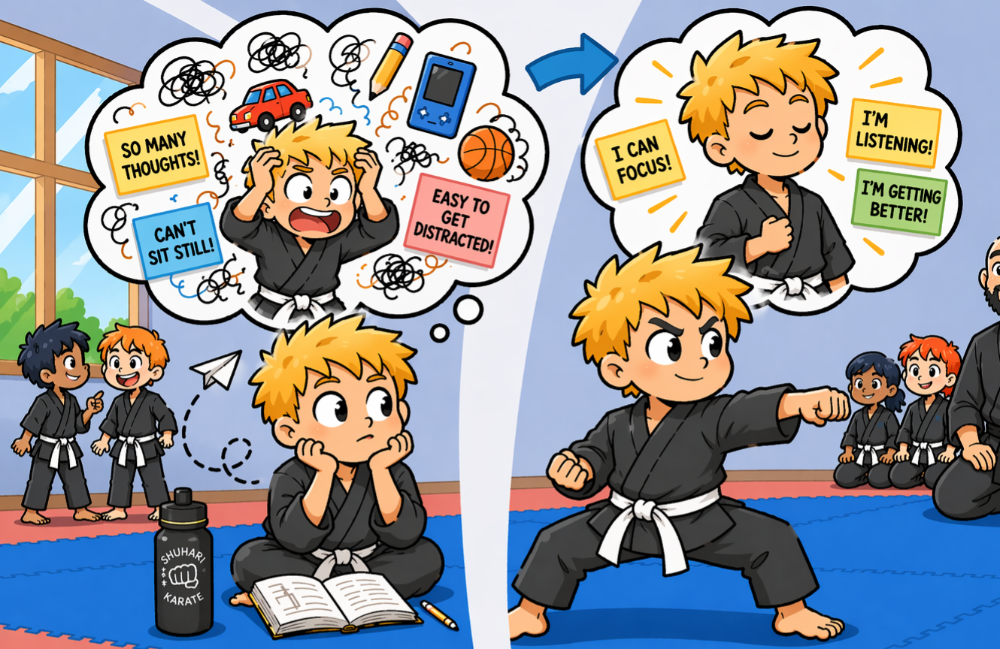
- Reduced attention span and focus
- Decreased social skills and face-to-face interaction
- Higher anxiety and depression rates
- Difficulty with delayed gratification
Developmental Challenges:
- Limited physical coordination development
- Decreased resilience and grit
- Minimal experience handling real-world challenges
The question isn't whether to reduce screen time—most parents already know they should. The real challenge is finding an alternative that's actually more appealing than devices.
Why Martial Arts Naturally Appeals to Kids
Here's the truth that many parents discover: you can't simply remove screens and expect children to be happy about it. You need to replace that engagement with something equally compelling. Martial arts, particularly programmes like those at Shuhari Self Defence, offer exactly that.
Visual Progress and Achievement
Just as video games provide levels, badges, and achievements, martial arts offer a tangible progression system through belt ranks and skill mastery. Children can see and feel their advancement, earning new belts as they develop. This isn't abstract progress on a screen, it's a real achievement they can demonstrate to family and friends.
Immediate Feedback and Engagement
Games are designed to provide constant feedback and reward. Quality martial arts classes designed specifically for kids mirrors this by offering regular acknowledgement of effort, technique improvement, and skill development. Instructors at Shuhari provide a challenge and praise system creating the same dopamine response that games trigger but in a healthy, productive context.
Challenge and Mastery
Children love games because they're challenging but achievable. Our classes follow the same principle. Whether it's mastering a new kick, improving sparring technique, or breaking a board, students constantly face challenges calibrated to their current skill level. The difference? These challenges build real-world capabilities.
Social Connection
Contrary to popular belief, many children aren't addicted to devices, they're seeking connection and belonging. Online gaming and social media fulfill a social need. Martial arts clubs create genuine communities where children train together, encourage each other, and form lasting friendships based on shared experiences rather than shared screens.
The Dopamine Replacement Effect: Real Achievement vs Passive Entertainment
Understanding neuroscience helps explain why martial arts can successfully replace screen time. Both activities trigger dopamine release, the brain's reward chemical but in fundamentally different ways.
Screen Time Dopamine:
- Frequent, unpredictable rewards (like random loot)
- Small effort required
- Temporary satisfaction
- Passive reception of stimulation
Martial Arts Dopamine:
- Earned through genuine effort and skill development
- Requires physical and mental engagement
- Lasting confidence
- Active creation of achievement
When children earn a new belt at Shuhari Self Defence after a long time of dedicated training, the dopamine release comes from genuine accomplishment. This teaches the brain that real effort leads to meaningful rewards, a lesson that translates to success in adult life.
The beauty of this approach is that you're not fighting your child's natural reward-seeking behavior. You're redirecting it toward activities that build them up rather than keeping them sedentary.
Building Real-World Skills and Confidence
Screens offer simulation; martial arts offer reality. This distinction matters more than many parents initially realize.
Physical Competence
At Shuhari Self Defence, children develop genuine physical capabilities through learning techniques from multiple disciplines including Karate, Boxing, Wrestling, Judo, and Brazilian Jiu-Jitsu. They learn:
- Balance and coordination
- Strength and flexibility
- Speed and agility
- Timing and accuracy
- Spatial awareness
These aren't virtual skills, they're embodied competencies that change how children move through the world and how they feel in their own bodies.
Self-Defence and Safety
While video game victories disappear when the screen turns off, self-defence skills remain. Children gain both the ability and confidence to protect themselves. Techniques from Krav Maga, Kickboxing, and Muay Thai provide practical skills for real-world situations.
Perhaps more importantly, martial arts training creates awareness and confidence that often prevents confrontations before they escalate. The child who has quiet confidence and awareness is less likely to be targeted by bullies.
Mental Resilience
Martial arts training involves being comfortable under pressure, facing challenges, getting tested, and learning to persist. These experiences build:
- Discipline and focus
- Patience and control
- Perseverance through difficulty
- Humility in both victory and defeat
- Courage to face fears
Screen time typically offers the opposite: instant gratification, easy reset buttons, and minimal consequences for failure. Real life doesn't work that way, and martial arts prepare children for actual challenges.
Social Interaction Benefits: Digital vs Real Connection
Shuhari Self Defence has taught over 8670 students with a team of 23 instructors across multiple locations. This creates a genuine community that screens simply cannot replicate.
Face-to-Face Communication
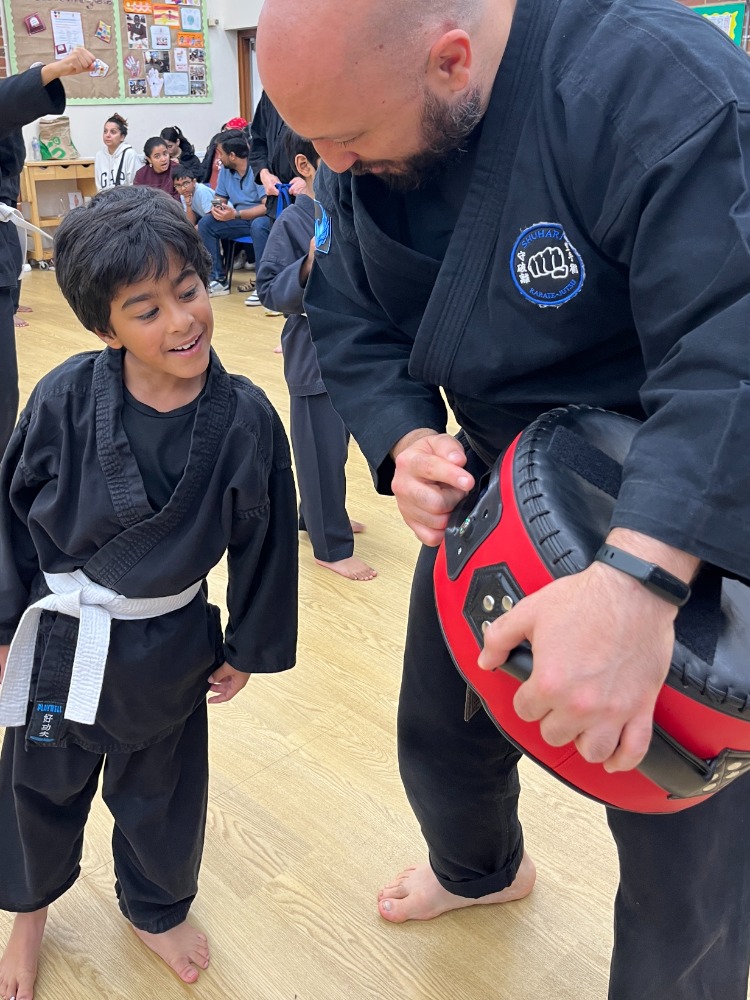
Training together requires children to read body language, respond to physical cues, and communicate clearly with partners and instructors. They learn to encourage training partners, accept coaching graciously, and offer help to newer students.
Shared Physical Experience
There's something irreplaceable about working toward goals alongside others who are sweating, struggling, and succeeding with you. These shared experiences create bonds that social media connections rarely match.
Multi-Generational Interaction
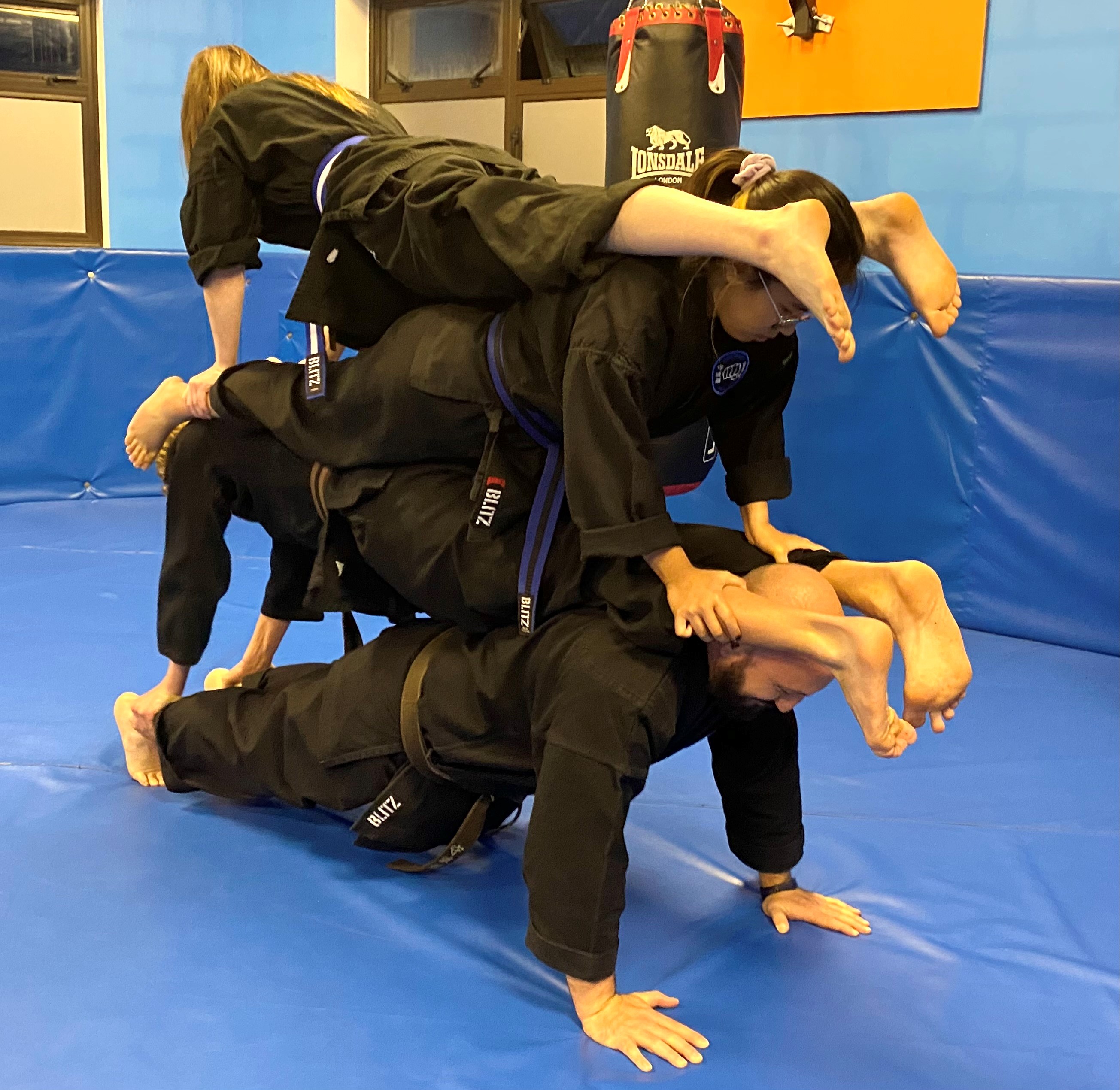
Unlike screen-based social groups that typically segregate by age, martial arts classes bring together instructors, senior students, and beginners. Children learn to respect and learn from those with more experience—and eventually become mentors themselves.
Collaborative Competition
Sparring and partner drills teach children to compete respectfully, push each other to improve, and celebrate peers' successes. This healthy competition differs dramatically from the often toxic environment of online gaming communities.
Parent Strategies for the Transition
Making the shift from screen time to mat time requires strategy and consistency. Here's what works:
1. Start with a Trial
Shuhari Self Defence offers trial classes that let children experience training before committing. This removes pressure. Many parents are surprised when their screen-obsessed child asks to return after just one class.
2. Replace, Don't Just Remove
Don't simply take away devices and expect happiness. Schedule martial arts classes during peak screen time hours. The after-school classes at locations like Burnham (Tuesday 3:45-4:45 PM) and Windsor (Wednesday 3:15-4:15 PM) are perfectly timed to prevent the after-school device grab.
3. Track Physical Progress, Not Screen Time
Rather than constantly monitoring and limiting screen time (which creates conflict), focus positive attention on martial arts progress. Take photos of achievement certificates, belt promotions, attend gradings, and celebrate new skills. Children naturally gravitate toward what gets parental attention.
4. Make It Social
Encourage your child to attend with friends or make friends in class. The social aspect often becomes the strongest motivator. Shuhari's community of hundreds of students creates natural friendship opportunities.
5. Lead by Example
Consider training together in family classes offered across Slough, Maidenhead, Windsor, Bracknell, Cippenham and Langley. When parents train, children see physical activity as a family value. Plus, parent-child training creates shared experiences and conversation topics beyond screens.
6. Be Patient with the Transition
The first week might include complaints about missing screen time. By week three or four, most children naturally reduce device usage because they're tired from training, excited to practice techniques, or chatting with training partners. Let the activity work its magic rather than forcing immediate change.
7. Use Screens to Support Training
Rather than trying to eliminate screens entirely (unrealistic and unnecessary), redirect screen time toward martial arts. Children can watch technique videos, follow the Shuhari Instagram, or research the martial arts they're learning. This keeps them engaged with their training while satisfying their screen habits.
The Comprehensive Approach: Physical and Mental Development
Shuhari Self Defence's philosophy of "Strong Body, Sharp Mind, Immovable Spirit" directly addresses the deficits created by excessive screen time.
Physical Development:
- Fitness and strength
- Coordination and balance
- Flexibility and toughness
- Speed, agility, and technique
Mental Development:
- Awareness and discipline
- Respect and focus
- Confidence and courage
- Patience and perseverance
- Humility and inner peace
This comprehensive approach means parents aren't just reducing screen time—they're actively building their children up across multiple dimensions of development.
Making the Change: Your Next Steps
If you're ready to help your child trade screen time for mat time, Shuhari Self Defence makes it easy to begin:
Convenient Locations and Times
With classes across Slough, Maidenhead, Windsor, Bracknell, Cippenham, Burnham, and Langley, finding a convenient location is simple. Classes run throughout the week, including weekday after-school options and weekend sessions that fit family schedules.
Multiple Class Times
Morning, afternoon, and evening options accommodate different family schedules and preferences. Saturday morning classes (Slough 9:45-10:45 AM) and Sunday sessions provide weekend alternatives for busy weekdays.
Age-Appropriate Instruction
Programs specifically designed for children (7+), teenagers, and adults mean your child trains with age-appropriate peers while receiving instruction suited to their developmental stage.
Expert Instruction
With a passionate team of 23 experienced instructors led by our Chief Instructor Olgun Tiltay, your child learns from dedicated professionals.
Conclusion: The Decision That Brings Lifelong Benefits
Reducing screen time matters, but what you replace it with matters more. Martial arts training offers everything that makes screens compelling—progression, achievement, social connection, and engagement—while building real capabilities, confidence, and character.
The habits and skills your child develops on the mat extend far beyond martial arts. The discipline learned through training translates to success as an adult. The perseverance developed in overcoming physical challenges applies to obstacles in work life. The confidence gained through mastering techniques affects every social interaction.
Most importantly, the time spent training is time spent actively building your child up rather than passively watching them deteriorate behind a screen.
Call us today
Don't wait for screen time problems to worsen. Discover how Shuhari Self Defence can transform your child's relationship with devices by offering something genuinely better.
Contact Us for a Screen-Time Alternative activity:
Phone: 07739 464 005
Email: info@shuhari.com
Book Your Family Trial Class:
Experience firsthand why hundreds of families across Slough, Maidenhead, Windsor, Bracknell, and the surrounding areas have chosen Shuhari Self Defence as their solution to the screen time challenge.
Your child doesn't need less screen time, they need more mat time. The difference is profound, and it starts with a single class.
Shuhari Self Defence: Founded in 2010, serving the community for over 15 years with practical martial arts training rooted in traditional values. Join our martial arts family today and discover the power of replacing screen time with real-world skills, confidence, and community.