





Martial Arts for ADHD: How Training Supports Focus, Discipline and Self-Regulation
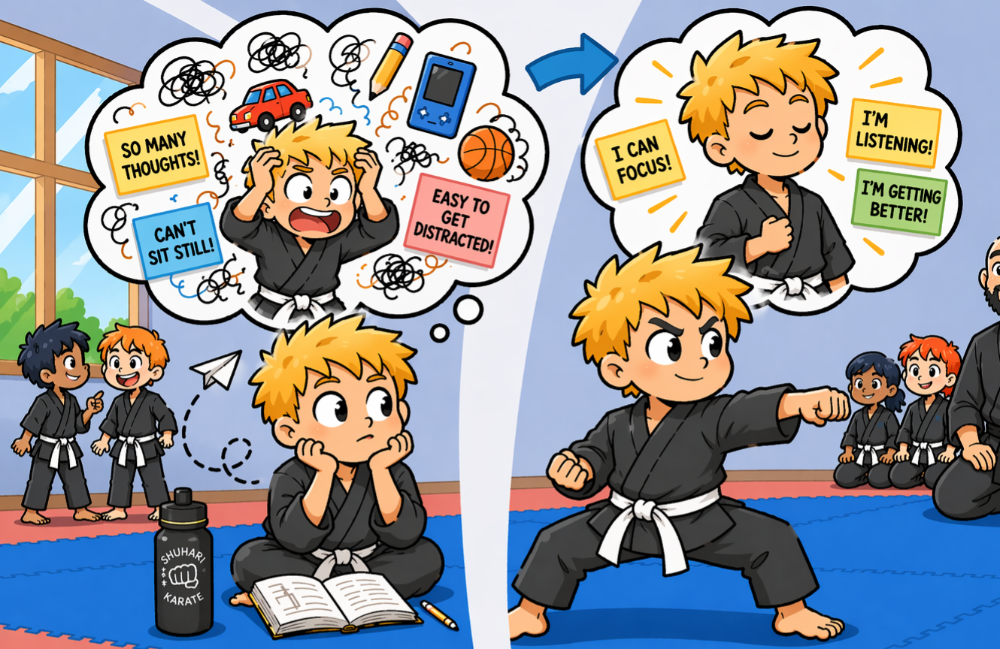
Finding the right activity for a child or teenager with ADHD can feel like navigating a minefield. Team sports can be overwhelming, individual pursuits sometimes lack enough stimulation, and classroom-based hobbies demand the very kind of sustained, passive attention that ADHD makes difficult. Martial arts training, though, occupies a unique space: it is physical enough to burn energy, structured enough to build routine, and mentally engaging enough to hold attention.
NHS England estimates that approximately 2.5 million people in England have ADHD, with around 741,000 of those being children and young people aged 5 to 24. NICE puts the global prevalence in children at around 5%, and in adults in the UK at 3 to 4%. With assessment waiting lists stretching well beyond a year for most families, parents are rightly looking for supportive activities that can make a tangible difference while their child waits for, or sits alongside, clinical support.
This article looks at why martial arts and ADHD are such a natural fit, what the research says about structured movement and brain function, how the belt system creates motivating micro-goals, the distinct benefits of different disciplines, and what adaptations good instructors make for neurodiverse learners.
Why Martial Arts and ADHD Are a Natural Fit
ADHD is characterised by difficulty sustaining attention, regulating impulses and managing excess energy. People who have these traits benefit immensely from being in the right environment. Martial arts offer exactly that kind of environment: one where high energy is an asset, where focus is trained rather than simply expected, and where impulsive reactions are gradually replaced by controlled, deliberate movement.
Unlike team sports, martial arts centre on individual progress. There is no pressure to keep up with a squad or fear of letting teammates down. The training floor rewards effort and consistency rather than innate athletic talent. The format itself helps, too. Classes follow a predictable structure: a warm-up, stretching, technique instruction, partner drills, controlled sparring and a cool-down. This routine reduces the anxiety that comes from unpredictability and gives learners a clear framework they can rely on week after week.
Crucially, martial arts demand present-moment awareness. When someone is learning to throw a punch with correct form or to escape a hold, there is no room for the mind to drift. This is not passive listening; it is active, physical engagement that aligns with the way many ADHD brains prefer to learn.
The Science: Structured Movement and Executive Function
The connection between exercise and improved ADHD symptoms is well-documented, but martial arts appear to offer benefits beyond general physical activity. Research published in NeuroImage: Clinical found that a 12-week judo programme increased visuospatial working memory capacity in children with ADHD, with neurocognitive measurements confirming more effective maintenance processes in the brain. A separate study in the International Journal of Environmental Research and Public Health demonstrated that taekwondo practice improved selective attention in adolescents with ADHD, leading the authors to suggest that martial arts could serve as a non-pharmacological method of addressing attentional impairment.
The neurochemistry behind these improvements is significant. ADHD is associated with differences in dopamine and norepinephrine signalling in the brain, which affect attention, motivation and impulse control. Physical exercise stimulates the release of both neurotransmitters, and research suggests that individuals with ADHD experience proportionally greater cognitive gains from physical activity than neurotypical individuals. Martial arts compound this effect because they combine aerobic exertion with fine motor skill acquisition, which activates the prefrontal cortex, cerebellum and basal ganglia simultaneously.
In practical terms, this means that a child who has spent an hour drilling karate combinations, practising throws or working through grappling sequences is not just getting fit. They are actively strengthening the neural pathways responsible for focus, emotional regulation and working memory.
How Belt Systems Create Micro-Goals
Each belt colour represents a clear, visible milestone. The journey from one grade to the next is broken into manageable chunks: learn these techniques, demonstrate this level of control, show these values in class. For a child with ADHD, this creates a motivating cycle of effort, feedback and reward. The gap between techniques and classes is short enough to maintain interest and the gap between gradings is long enough to require genuine commitment, which teaches perseverance.
The belt system also makes progress tangible. A child can see their advancement in the colour around their waist, and so can their parents, classmates and instructors. This external recognition feeds into self-esteem, which is critical for children who may feel they are falling short in other areas of their life.
Discipline-Specific Benefits: From Karate Structure to BJJ Problem-Solving
Different martial arts disciplines offer different cognitive and sensory advantages, which is one of the reasons a multi-discipline approach can be particularly powerful for neurodiverse learners.
| Discipline | Key Characteristics | ADHD-Specific Benefits |
|---|---|---|
| Karate | Structured technical teaching, strong emphasis on etiquette and respect | Reinforces routine, provides clear behavioural expectations |
| Brazilian Jiu-Jitsu | Ground grappling, constant positional problem-solving under pressure | Engages real-time decision-making, provides calming proprioceptive input, channels hyperfocus productively |
| Boxing and Kickboxing | High-energy pad work, combination drills, rhythm and timing | Burns excess energy rapidly, develops timing and coordination, offers an outlet for frustration |
| Wrestling and Judo | Throws, takedowns, balance-based techniques, close physical engagement | Strengthens body awareness and spatial processing, builds resilience through controlled resistance |
| Krav Maga | Scenario-based self-defence, practical applications, situational awareness drills | Maintains engagement through varied, realistic scenarios; teaches controlled responses under pressure |
Karate provides a highly structured framework with movements that must be performed with precision. For children with ADHD, karate training is particularly valuable because it develops sustained concentration. Sparring especially pushes the student to display laser focus and be present because every second counts.
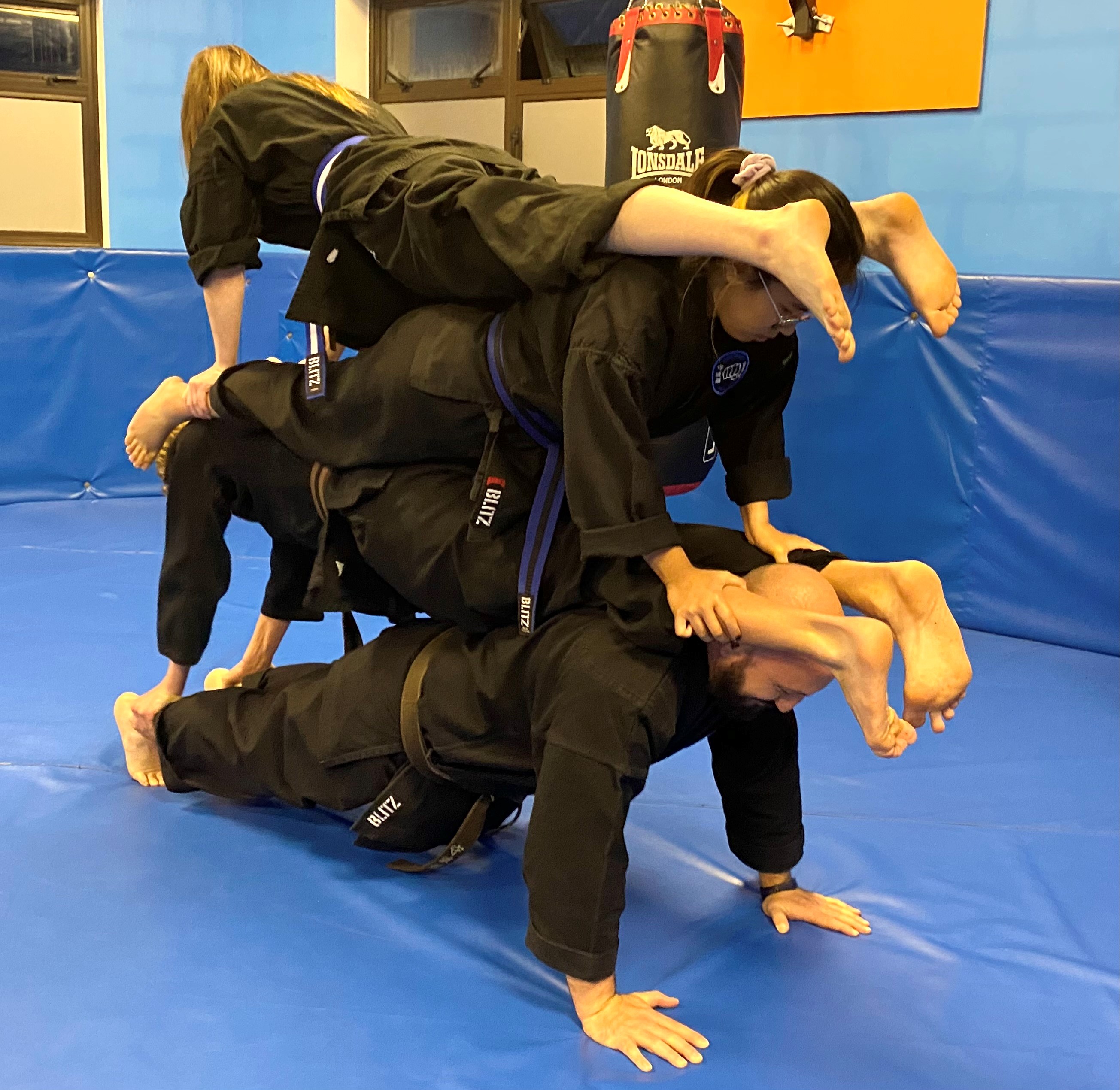
Brazilian Jiu-Jitsu (BJJ) takes a different approach. Every sparring session presents a series of live, unscripted problems that demand fast thinking and creative solutions. Research from BJJ-focused cognitive studies suggests that this style of training strengthens cognitive flexibility, the ability to switch between strategies quickly, and working memory, the capacity to hold and manipulate information under pressure. The pressure contact inherent in grappling also provides proprioceptive input, a form of sensory feedback that many neurodivergent individuals find calming and regulating.
Boxing and kickboxing offer high-intensity output that is ideal for burning excess energy. Pad work and combination drills require rhythm, timing and accuracy, which engage the brain's motor planning systems and leave little room for distraction.
Wrestling and judo develop balance, body awareness and spatial processing. The physical closeness of these disciplines provides constant sensory feedback, helping learners understand where their body is in space, a skill that supports coordination and self-regulation off the mat as well.
A training model that draws from multiple disciplines gives neurodiverse learners the benefit of all these approaches within a single programme.
Training Adaptations for Neurodiverse Students
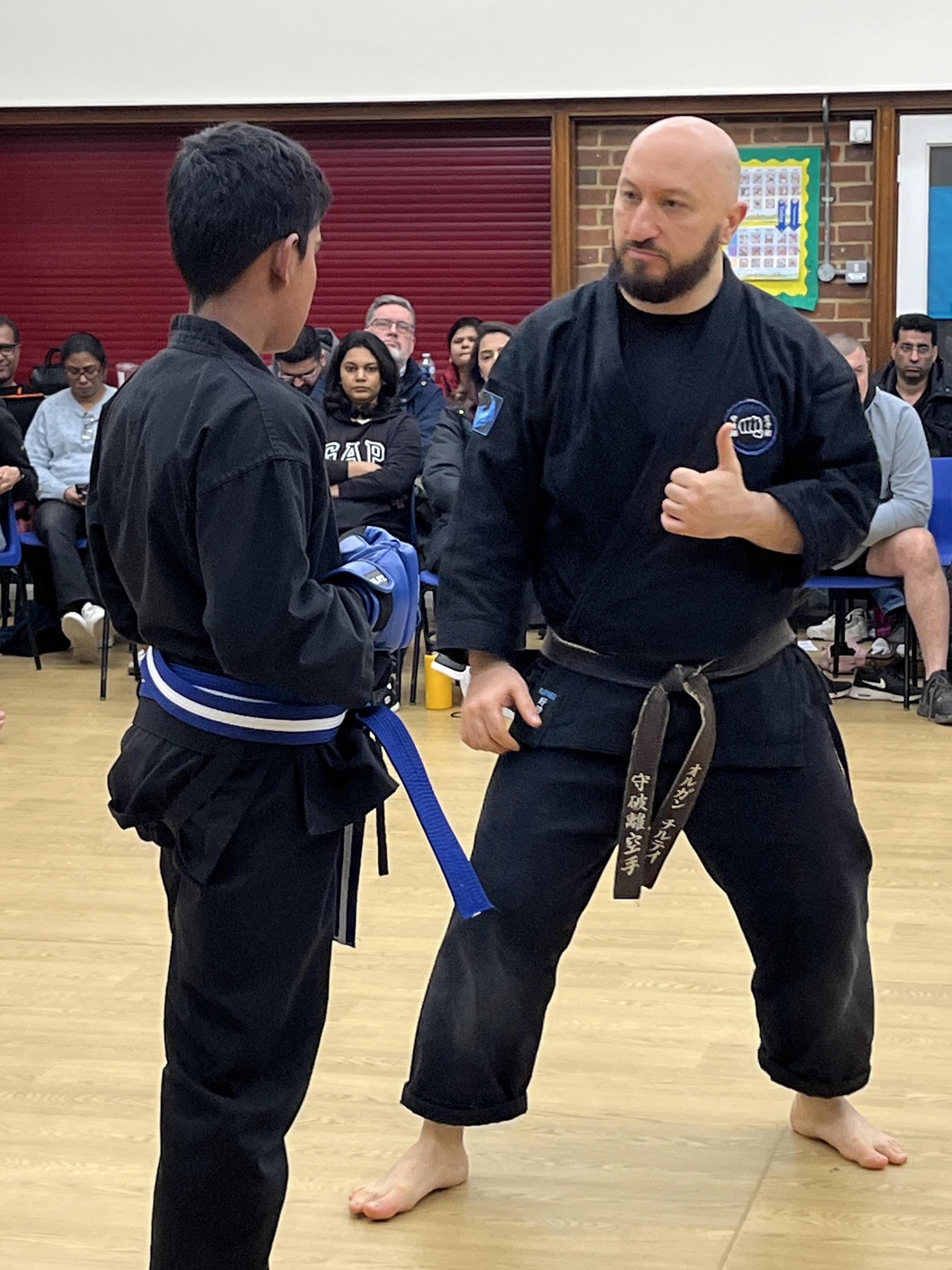
Clear verbal cues and physical demonstrations work together to accommodate different learning styles. Some children with ADHD process visual information more effectively than spoken instructions, so an instructor who demonstrates a technique while explaining it gives the learner two channels of input rather than one.
Frequent transitions between activities help maintain engagement. A class that spends 30 minutes on a single drill may lose an ADHD learner after ten. Shorter blocks of varied activity, moving between warm up, stretching, shadow boxing, striking, grappling, partner self defence work, pad work, sparring and so on, keep the brain stimulated without causing overwhelm.
Positive reinforcement matters more than correction. Children with ADHD often receive disproportionate negative feedback in school and social settings, which erodes confidence over time. A training environment that acknowledges effort and celebrates incremental progress can be transformative for a child's self-esteem.
Focus anchors during transitions, such as specific stances or positions students adopt while waiting for the next instruction, reduce fidgeting and help regulate attention during the natural pauses in a class. These small structural choices make a significant difference for learners whose attention is more easily pulled away.
A Note on the ADHD Spectrum
ADHD presents differently in every individual. Some children manage well in a group class setting with minor adjustments, while others may need a more tailored approach depending on where they sit on the spectrum of attention and what additional needs they have. The benefits described in this article apply broadly, but they are not a substitute for professional guidance.
If a child requires a more specialised approach, that decision should always be made together by the family and the instructor. An open conversation before and after the trial session allows the teaching team to understand the child's specific needs and strengths so the training environment can be adapted accordingly. In some cases, a short settling-in period, adjusted expectations around participation, or closer one-to-one attention with private tuition might be needed. In others, the instructor and family may agree that a different starting age would suit a student better.
Every learner deserves the chance to try, and the best outcomes happen when families and instructors work as a team. For children who would benefit from individual attention before joining a group class, or who need a more personalised training plan, Shuhari also offers private tuition. These one-to-one sessions allow the instructor to focus entirely on the child's pace, learning style and specific goals.
Frequently Asked Questions
Does martial arts help children with ADHD?
Yes. Research shows that martial arts training can improve focus, working memory and self-regulation in children with ADHD. The combination of structured physical activity, clear rules and progressive goal-setting addresses several core ADHD challenges. Studies on judo and taekwondo have both demonstrated measurable improvements in cognitive function and attention in children with the condition.
What is the best martial art for a child with ADHD?
There is no single best discipline. Karate helps with structure and sequential learning, while BJJ may appeal to those who enjoy hands-on problem-solving and benefit from deep pressure sensory input. A multi-discipline programme that includes elements of both striking and grappling arts often provides the widest range of cognitive and sensory benefits.
At what age can a child with ADHD start martial arts?
At Shuhari Self Defence, we accept children from the age of seven. This starting point is chosen because cognitive development by that age is typically mature enough for structured, contact-based training. Starting too early can mean a child is not yet ready to process instructions safely in a physical environment.
How Shuhari Supports Every Learner
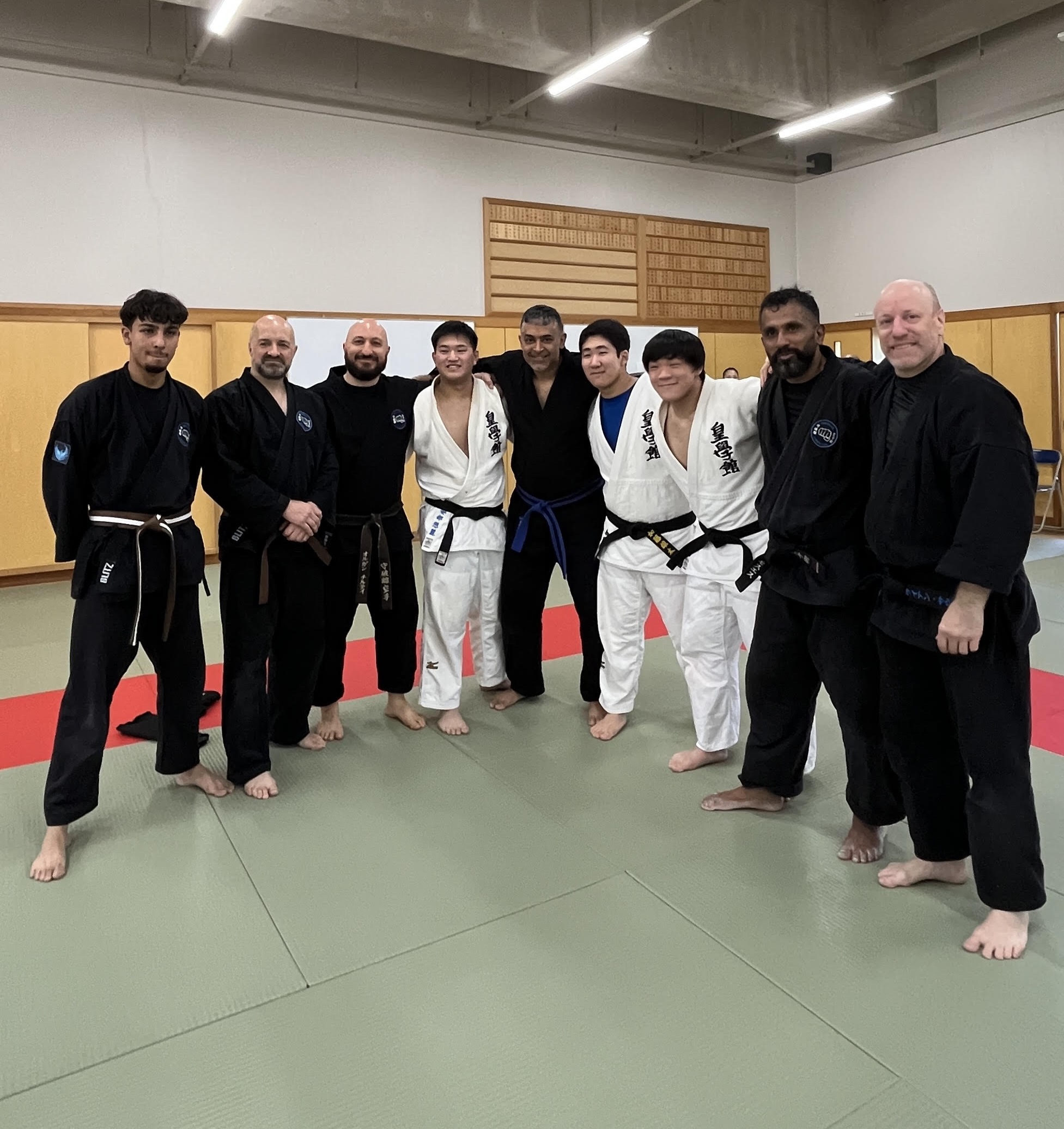
At Shuhari Self Defence, our classes are built around the principle that no two students learn in exactly the same way. Rather than offering separate classes for different disciplines, we teach a system that uses techniques from different martial arts, including karate, boxing, wrestling, Krav Maga, kung fu, judo, BJJ, kickboxing and Muay Thai, within unified kids, teen and adult sessions. This multi-discipline model means every class naturally incorporates the variety, sensory input and cognitive challenge that neurodiverse learners thrive on.
Classes move through varied training blocks rather than dwelling on a single technique for the full session, and our grading system gives students a clear path to progression. With six locations across Berkshire, including Slough, Maidenhead, Bracknell, Cippenham, Burnham and Langley, and 19 classes per week, families have plenty of flexibility to find the schedule that works best for them.
If your child has ADHD and you are looking for an activity that builds focus, confidence and self-regulation in a supportive, structured environment, we would love to hear from you. Book a trial class, or call us on 07739 464 005 to chat about how we can support your child's journey.