





Does Martial Arts Build Muscle and Help You Lose Fat? The Complete Guide to Martial Arts Fitness
Regular martial training for more than a couple of years will change your body. You will notice harder shoulders, a stronger core, supple legs and better cardio. The question isn't really whether martial arts works as a fitness method; it's why, and how different disciplines produce different physical results.
This guide cuts through the noise with an honest, science-informed look at what martial arts actually does to your body, the muscle it builds, the fat it burns, and the physiological reasons it works differently to other methods.
Does Martial Arts Build Muscle?
The short answer is yes, though not in the same way using a gym machine does. Martial arts training builds what exercise scientists call functional muscle: strength that's distributed across multiple muscle groups simultaneously, developed through resistance, repetition, and explosive movement rather than isolated work.
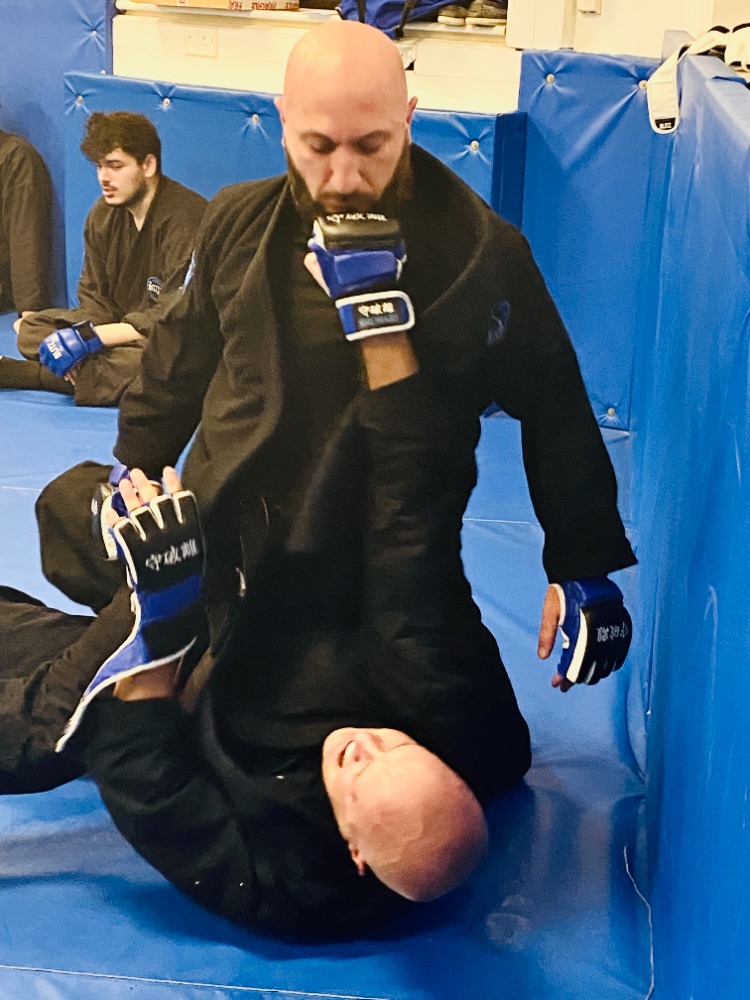
Every time a student throws a punch, they're engaging the chest, shoulders, triceps, and core together. Every kick fires the hip flexors, glutes, quads, and stabilising muscles of the standing leg. Grappling arts like BJJ and Wrestling demand near-constant muscular tension, you're pushing, pulling, and controlling a resisting opponent's bodyweight, which is a form of progressive resistance training that adapts continuously as your partner does.
The muscle groups most significantly developed may vary by discipline:
- Karate and Muay Thai: Full-body conditioning with particular emphasis on the legs, hips, and obliques through teeps, roundhouse kicks, and clinch work.
- Strong emphasis on the posterior chain (glutes, hamstrings, lower back), shoulders, and core
- Boxing: upper body; chest, shoulders, triceps, combined with exceptional hip rotation and footwork conditioning
- BJJ and Wrestling: grip strength, back muscles, hip adductors and abductors, and a deep transverse abdominal core that standard crunches simply don't reach
- Judo: Explosive whole body strength from throwing mechanics, and substantial grip and forearm development
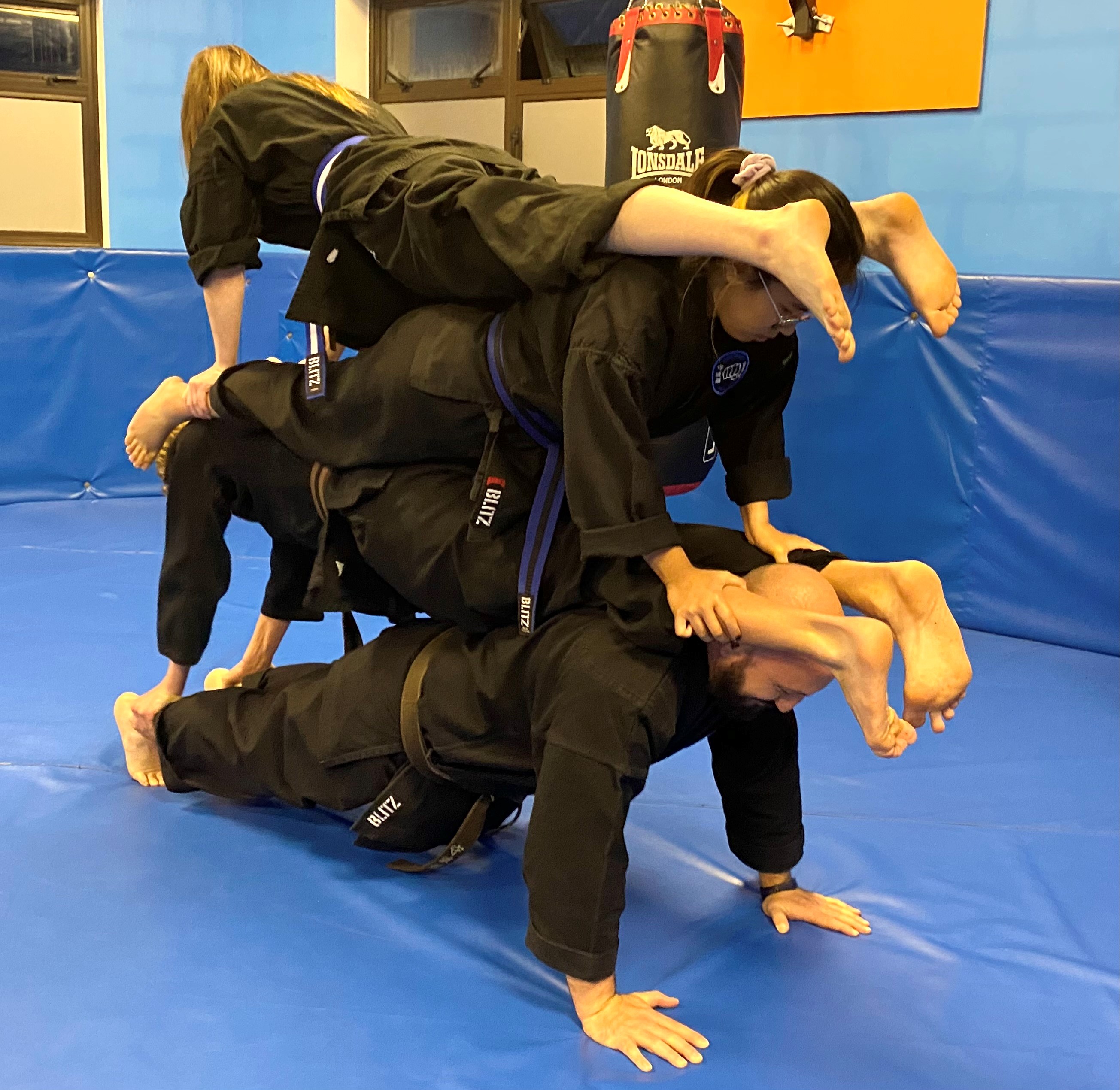
Because most martial arts sessions combine technical drilling, pad work, sparring, and bodyweight conditioning, you're achieving compound stimulus across many muscle groups within a single class. Training two to three times per week provides the frequency and varied stimulus for genuine hypertrophy, particularly for beginners and intermediate practitioners.
What About Fat Loss?
The truth about fat loss is that you cannot out train a bad diet.
Accepting the fact that a healthy caloric deficit, where energy output exceeds intake, forcing the body to use stored fat for energy is a reasonable way to start the journey. If you are eating junk food in vast quantities, exercise cannot negate the effects of your poor nutrition. It is easier to consume excess calories than it is to burn them, making dietary habits the primary driver of weight loss and health. Consistent, nutrient-dense eating is key.
Once the intake is managed, the output is the next step.
Calorie expenditure during martial arts training is, depending on the discipline and intensity, genuinely substantial. You can burn 500-1000 calories depending on the class style and body weight of the student.
Burning the calories in class is great, but the more interesting mechanism is what happens after training stops.
The Afterburn Effect (EPOC)
High-intensity martial arts training triggers what physiologists call excess post-exercise oxygen consumption, or EPOC, commonly referred to as the afterburn effect. Following an intense session, your body continues to consume oxygen at an elevated rate for hours afterwards as it repairs muscle tissue, restores energy stores, and returns various physiological systems to their resting state. This extended calorie burn doesn't appear in the numbers measured during the session itself.
Disciplines with significant anaerobic components; sparring rounds, explosive takedowns, pad combinations, generate a stronger EPOC response than steady-state cardio like jogging. The practical upshot: a 60-minute BJJ session or Karate class may burn more total calories across the following 24 hours than a longer, less intense gym session.
Body Composition vs Weight on the Scale
New practitioners often notice something counterintuitive in the first few weeks: the scales don't move much, or may even go up slightly. This is normal, and it's worth understanding why. When you begin training regularly, your body simultaneously sheds fat and builds muscle but muscle is denser than fat by volume. You may be visibly leaner and your clothes fit differently whilst the number on the scales remains similar or marginally higher.
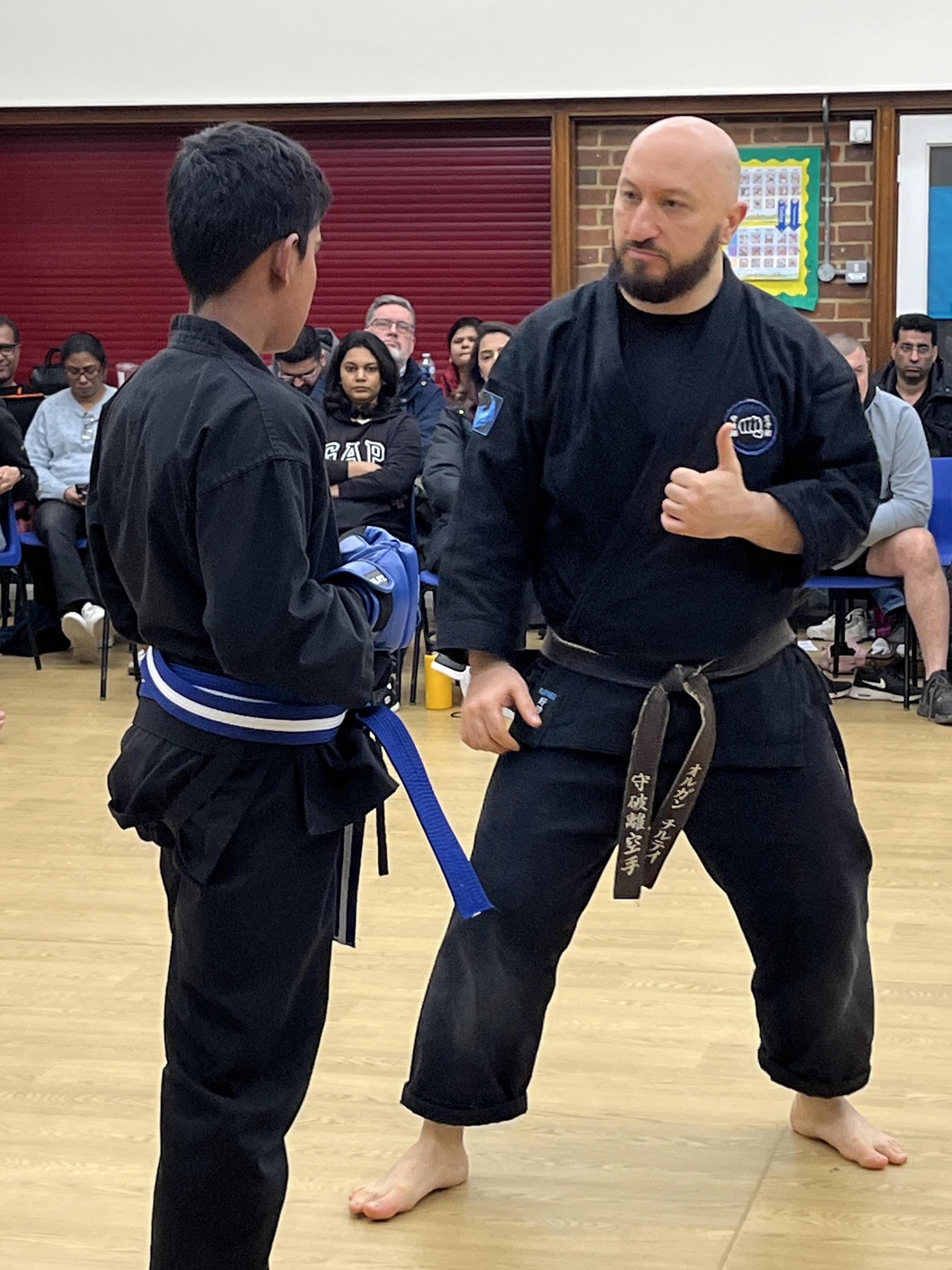
The better measure of martial arts' effect on your body is how you look, feel, and perform, not what you weigh. Students at Shuhari Self Defence consistently report that within the first year of regular training, they notice measurable changes in their endurance, posture, core stability, and overall leanness, regardless of whether they trained specifically for weight loss or not.
Martial arts training is among the most effective forms of cardiovascular conditioning available. A typical session at Shuhari moves between aerobic and anaerobic states repeatedly; warming up, drilling techniques, hitting pads, free sparring, which mirrors the physiological demands of interval training. This variability trains both your aerobic base (important for endurance) and your anaerobic capacity (critical for explosive effort).
Students who come to class with the intention of improving fitness often find that within the first year, their resting heart rate has dropped, their recovery time between rounds has shortened, and activities that previously exhausted them, climbing stairs, keeping pace with their children, feel noticeably easier. These are measurable improvements in cardiovascular health, not just fitness perception.
Functional Fitness Versus Aesthetic Fitness: Why the Difference Matters
Conventional gym training often optimises for appearance: bigger biceps, flatter stomach, broader chest. There's nothing wrong with that goal, but martial arts produces something different, fitness that expresses itself in what your body can do rather than simply how it looks.
Reaction time,strength, spatial awareness, balance, and coordination all improve alongside physical conditioning. A 45-year-old who trains Karate or Judo twice a week isn't just burning calories, they're developing agility, their body's sense of its own position in space, and hip mobility that has genuine protective value as they age. This is particularly relevant given that falls are a leading cause of injury in older adults; martial arts training directly addresses the motor control deficits that make falls more likely.
In our dojo, we believe in Strong Body, Sharp Mind, Immovable Spirit; and the physical dimension of that philosophy is precisely this: fitness that serves real life, not just the mirror.
Why Multi-Discipline Training Produces Superior Physical Results
Practicing techniques from multiple disciplines creates a more complete physical transformation. When a student rotates between striking techniques from Muay Thai and Kickboxing, and grappling arts like BJJ and Judo, they're subjecting their body to fundamentally different muscular demands each session, preventing adaptation plateaus and developing a broader physical base.
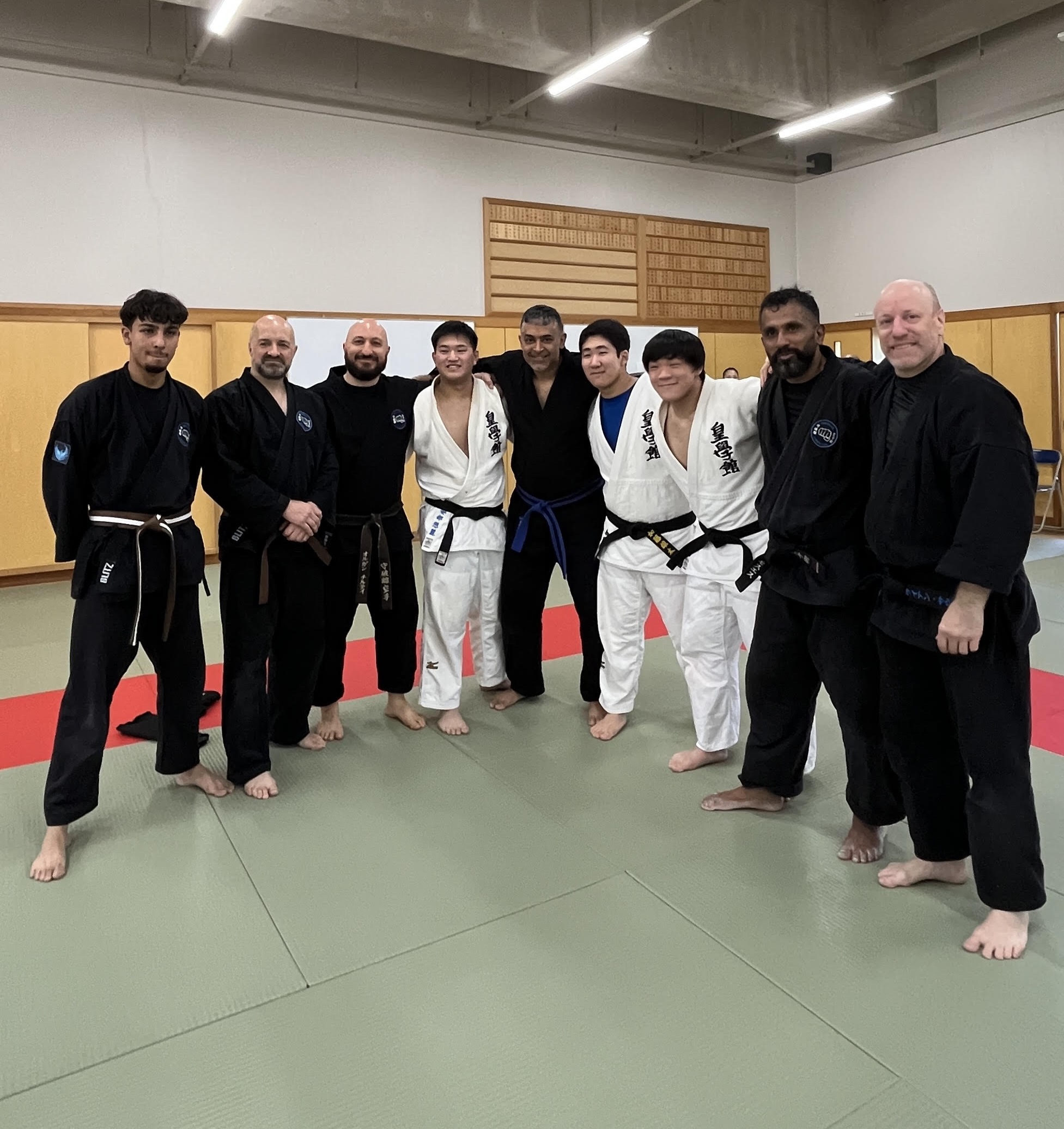
We draw from many disciplines including; Karate, Boxing, Wrestling, Krav Maga, Kung Fu, Judo, BJJ, Kickboxing, Taekwon do and Muay Thai and integrate techniques from across all of them within our classes. This means students don't specialise narrowly; they build the kind of varied, adaptable physical competence.
What Results Can You Realistically Expect?
Results vary based on training frequency, dietary habits, and starting fitness level. That said, here's what most regular practitioners typically experience:
- Months 1–4: Improved cardiovascular endurance, significant muscle soreness as new movement patterns activate unused muscles, initial weight stability or slight gain as lean mass builds
- Months 4–8: Noticeable improvement in stamina and recovery, visible tone beginning in the core, legs, and arms, enhanced flexibility particularly in the hips
- Months 8–16: More substantial body composition change for those training three or more times per week, significantly improved balance and coordination, measurably stronger grip and core
- 16 months+: A genuinely transformed physical baseline, greater lean muscle mass, improved cardiovascular fitness metrics, better posture, and physical confidence that carries into daily life
The physical changes are real. But what sustains them is something harder to quantify: the fact that martial arts training remains compelling in a way that most exercise programmes don't. You're not just logging reps, you're learning something, progressing through skills, and training alongside a community. That intrinsic motivation is, arguably, the most powerful body transformation tool of all.
Frequently Asked Questions
Does martial arts build muscle?
Yes. Martial arts builds functional muscle across multiple muscle groups simultaneously through striking, grappling, and bodyweight conditioning.
How many calories does martial arts burn per hour?
Roughly 500-1000 calories depending on the discipline and intensity.
Will I lose weight doing martial arts?
Martial arts supports fat loss through high calorie expenditure during sessions and an extended afterburn effect (EPOC) after training. Scales may not drop immediately as you simultaneously build lean muscle mass, but most regular practitioners see visible body composition changes within the first year.
Is martial arts good cardio?
Martial arts is excellent cardiovascular conditioning, combining aerobic and anaerobic training within a single session. The interval-style nature of drilling, sparring, and conditioning work trains both endurance and explosive capacity more effectively than steady-state cardio alone.
How often should I train martial arts to see fitness results?
Two to three sessions per week is good for measurable improvement. More frequent training accelerates results, but even 2-3 sessions weekly produces noticeable changes in cardiovascular endurance, lean muscle tone, and flexibility within the first year.
Which martial art is best for fitness and fat loss?
There are many disciplines that are good for this purpose. Karate, Muay Thai and Kickboxing rank high calorie-burning disciplines per session. BJJ and Wrestling build excellent functional strength and cardiovascular base. The best martial art for fitness is ultimately the one you will enjoy doing and show up to consistently.
Do I need to be fit before starting martial arts?
No. Every beginner starts at the same point, regardless of their current fitness level. The training itself builds your fitness progressively. Classes are welcoming to complete beginners, and instructors ensure new students are introduced gradually to the physical demands of training.
How to Start Training at Shuhari Self Defence
We have been helping adults and children across Berkshire build stronger, fitter bodies since 2010. With 23 experienced instructors, six locations across Slough, Maidenhead, Bracknell, Cippenham, Burnham, and Langley, and classes running seven days a week, finding a session that fits your schedule is straightforward. All beginners are welcome, you don't need any prior martial arts experience, and you don't need to be fit before you start. The training itself takes care of that.
You can check the list of techniques we practice on our syllabus page: https://shuhari.com/syllabus/
Rated 4.9 out of 5 from over 240 verified Trustpilot reviews, and with more than 600 five-star Google and Trustpilot reviews combined, Shuhari is here to help you. Book a trial class and meet us.
📞 Call: 07739 464005 | 📧 Email: info@shuhari.com | 🌐 Visit: shuhari.com