




What Is Judo? A Beginner's Guide to the Way of Gentleness
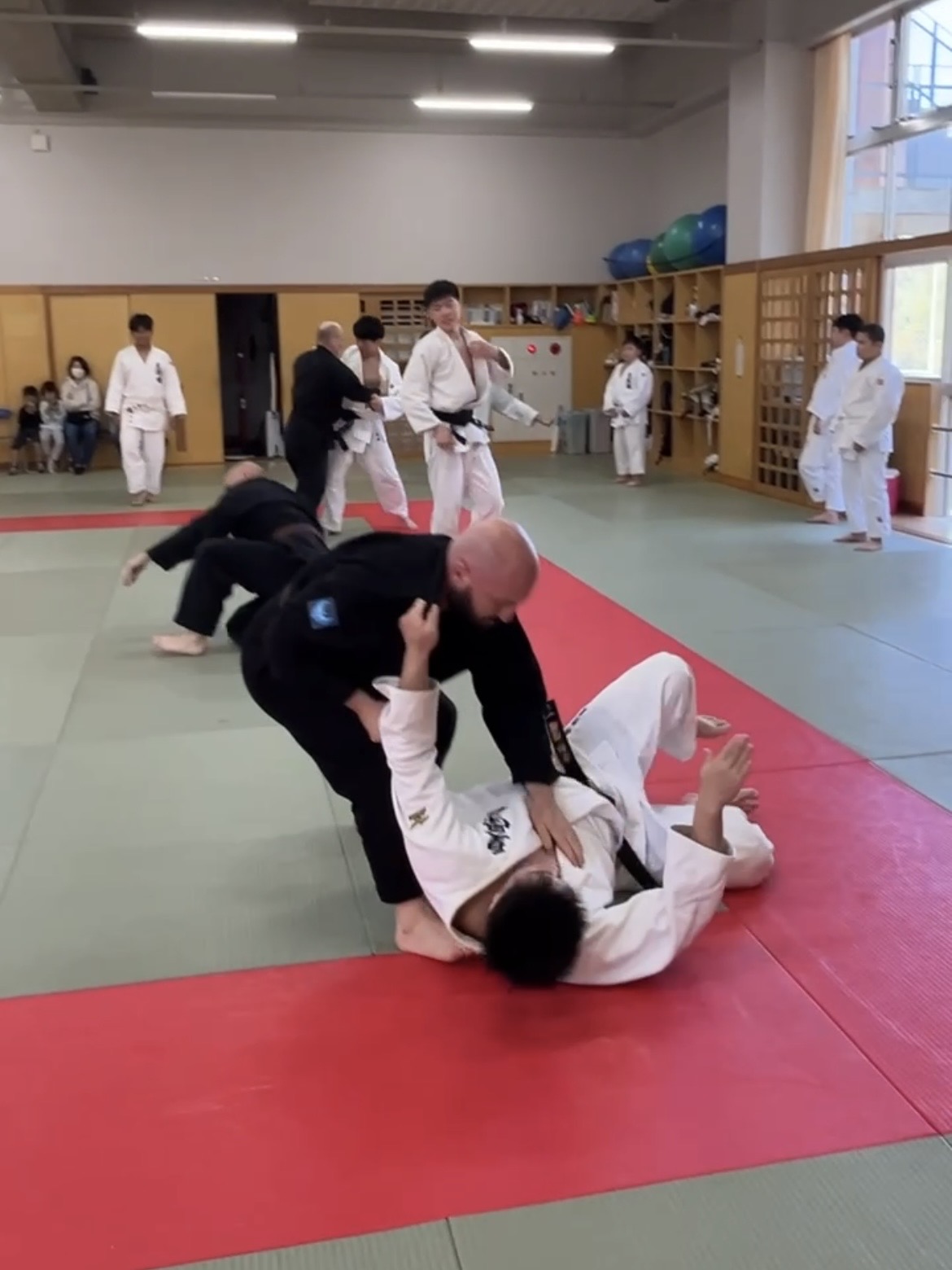
Judo is a martial art that focuses on grabbing hold of and throwing an opponent to the ground, pinning them, or forcing them to submit using joint locks or chokes. Founded in Japan in 1882 by Jigoro Kano, it means the gentle way, "ju" (gentle or yielding) and "do" (the way). Rather than meeting force with force, judo teaches practitioners to redirect, unbalance, and control an opponent using technique and leverage. It is also an Olympic sport, having featured in the Games since 1964.
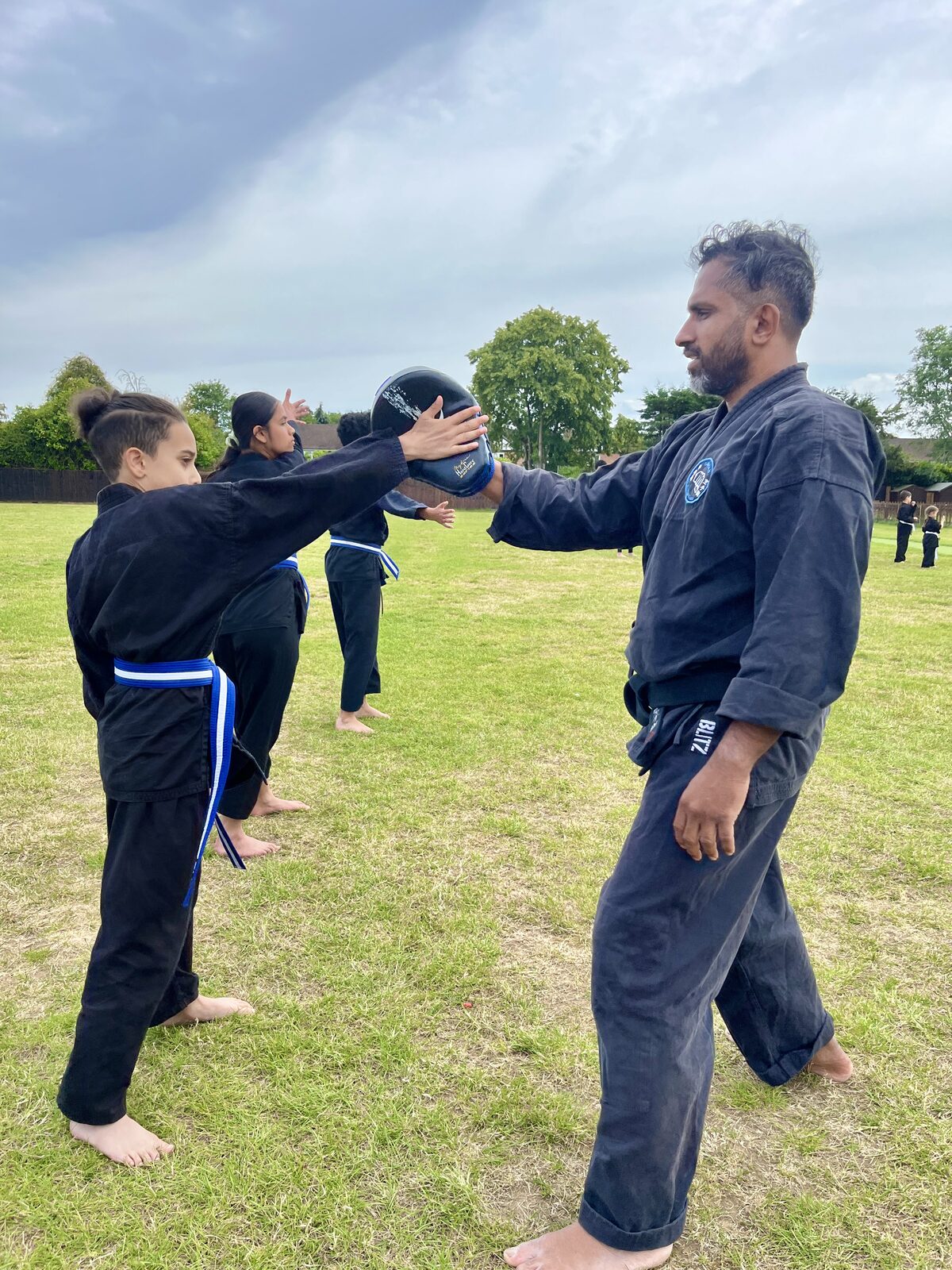
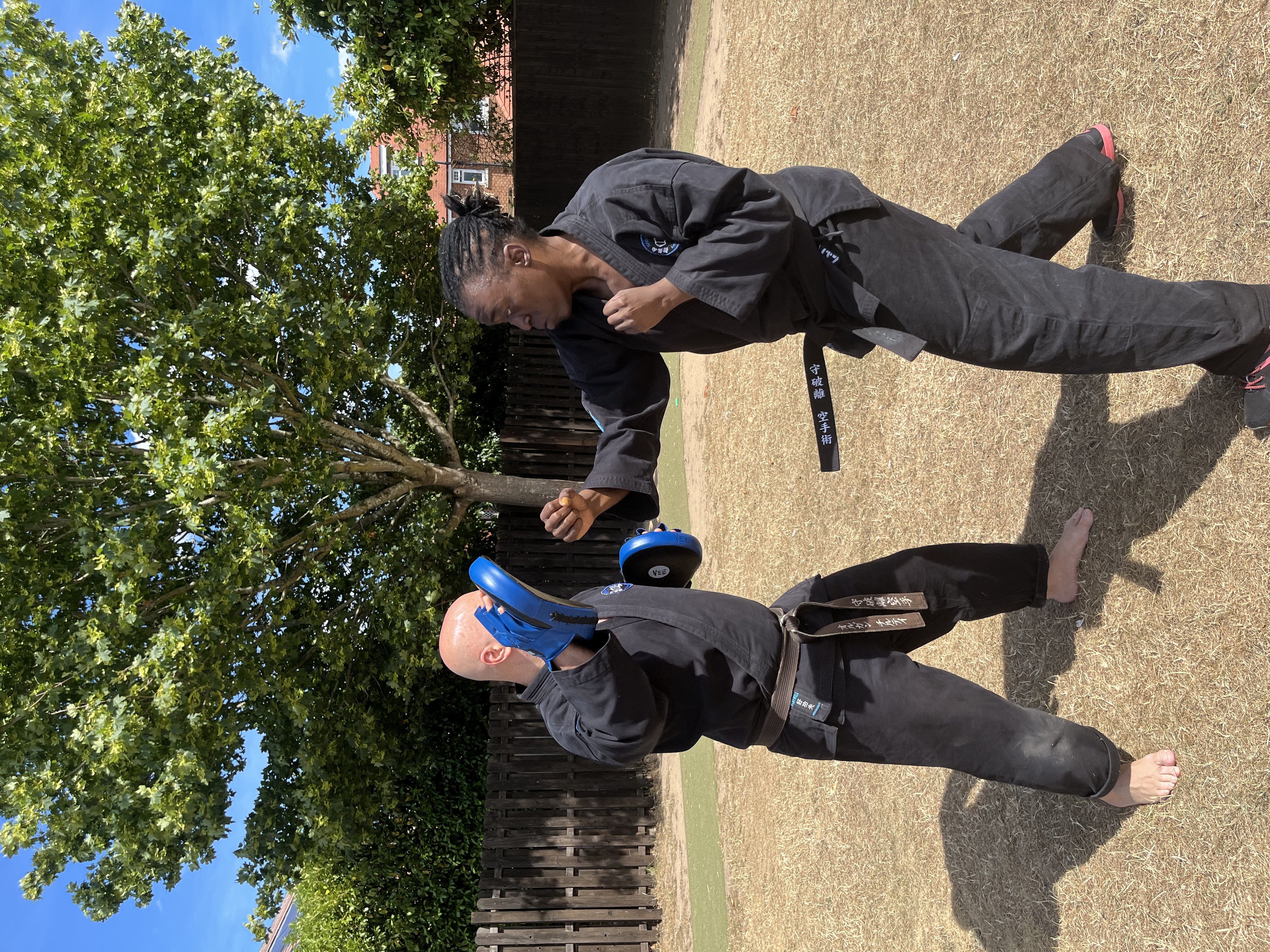
Judo techniques are used in Shuhari's advanced sessions alongside techniques from other martial arts disciplines, giving students exposure to grappling, throwing, and groundwork within a structured, progressive training environment.
The Core Principles of Judo
Judo rests on two foundational principles established by Kano:
Seiryoku zenyo: maximum efficiency with minimum effort.
The goal is to use the least possible energy to achieve the most effective result.
You shouldn't rely on brute strength when timing, leverage, positioning, balance and technique can achieve the result more efficiently. Rather than trying to muscle someone to the ground, you disrupt their balance (kuzushi), position yourself correctly, and apply the appropriate technique.
Kano intended it as more than just a fighting principle. This concept applies to everyday life: use your physical and mental energy intelligently, avoid unnecessary effort, and choose the most effective way of accomplishing your objectives.
Jita kyoei: mutual welfare and benefit.
Training is cooperative as well as competitive. Both participants improve through each exchange. The idea is that your own development should contribute to the development of others. In martial arts, you don't improve by destroying your training partners—you challenge them, protect them, teach them, and help them improve. Their improvement, in turn, makes you better.
These principles shape not only how techniques are executed but how practitioners are expected to behave on and off the mat. Judo is as much about developing character as it is about developing physical skill.
What Techniques Does Judo Include?
Judo is organised around three main technical categories:
Throwing Techniques (Nage-waza)
Throws are the most recognisable element of judo. They include standing techniques with hand, hip and foot and also some sacrifice techniques. Judo requires the practitioner to break the opponent's balance (kuzushi), position themselves correctly (tsukuri), and execute the throw (kake). Techniques range from hip throws to foot sweeps and shoulder throws.
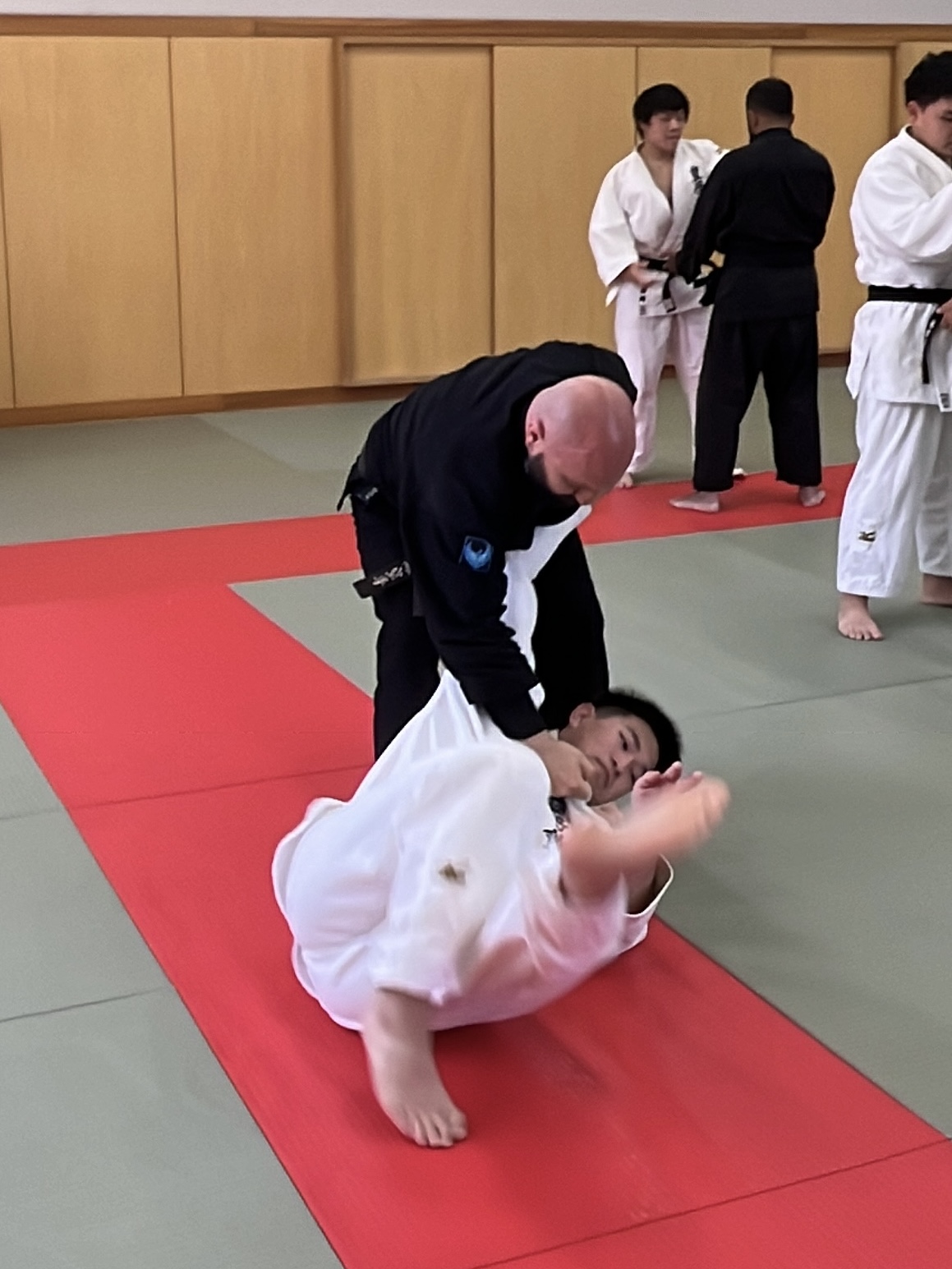
Ground Grappling Techniques (Katame-waza)
Once on the ground, judo competitors use hold-downs, chokes, and joint locks to control or submit an opponent. Hold-downs (osae-waza) score points based on how long control is maintained. Chokes (shime-waza) and arm locks (kansetsu-waza) are submission techniques that force a tap. These groundwork skills have significant crossover with Brazilian Jiu-Jitsu, which developed from an earlier form of judo.
Striking Techniques (Atemi-waza)
It might surprise you to see that Judo's technical syllabus includes strikes to vital points of the body. These are not used in competition but are retained in the traditional self defence part of the art that preserve judo's roots as a complete self-defence system.
Judo in Competition
Judo is contested on a mat (tatami) with competitors wearing a gi (a reinforced jacket and trousers). Matches are won by achieving ippon: a clean throw to the back, holding an opponent for 20 seconds, or securing a submission. Partial scores (waza-ari) can be accumulated, with two scoring a match win. Competition judo is structured by weight category and age group, from junior to senior and masters levels.
The sport has a well-developed grading system using coloured belts (kyu grades) progressing toward the black belt (dan grades).
What Are the Physical Benefits of Judo?
Judo is physically demanding in a way that is difficult to replicate with conventional weight training. It develops:
- Explosive strength: Throwing techniques require generating force through the hips, legs, and core in rapid succession.
- Balance and proprioception: Both attacking and defending throws require a constant awareness of your own body position relative to your partner's.
- Cardiovascular endurance: Randori (free practice) and competition-style drills keep heart rate elevated throughout the session.
- Grip strength and upper body conditioning: Maintaining and breaking grips is a workout in itself. Consistent judo training builds forearm and hand strength that transfers to other physical disciplines.
- Flexibility: Ukemi (breakfalling) and dynamic groundwork require mobility in the hips, spine, and shoulders.
What Are the Mental and Character Benefits of Judo?
Kano designed judo as an educational system, not just a fighting method. The mental qualities developed through consistent practice are central to what the discipline is:
- Composure under pressure: Being thrown, held, and submitted builds the ability to remain calm when things go wrong, a skill with clear application outside the dojo.
- Respect: Judo's etiquette is explicit. Practitioners bow when entering and leaving the mat, before and after engaging with a partner, and when meeting an instructor. This structure is not formality for its own sake: it creates an environment where physical engagement can happen safely and courteously.
- Perseverance: Progress in judo is earned incrementally. Early training involves a great deal of being thrown before the mechanics of throwing begin to make sense. Students who stay the course develop a resilience that extends well beyond the sport.
- Problem-solving: Judo randori is live, resisted practice. There is no choreography. Every exchange requires reading an opponent, responding to their movement, and finding an opening. This develops pattern recognition and decision-making under pressure.
Is Judo Safe?
Judo is a contact sport that involves throws and groundwork. Injuries do occur, as they do in any physical activity. However, judo's safety record is strong relative to other contact sports because of its emphasis on ukemi, the trained ability to fall and absorb impact safely. Breakfalling is taught before throwing and is practised throughout a judo practitioner's training life.
The risk profile is highest in randori and competition, where dynamic exchanges at full intensity take place. Structured beginner sessions manage this by progressing from basic ukemi to controlled partner drills before introducing live practice.
At Shuhari, judo techniques are introduced at the later stages of learning, after the striking techniques are taught.
How Does Judo Differ from BJJ and Wrestling?
These three disciplines share significant technical overlap, all being grappling arts focused on taking opponents to the ground and controlling them there, but they emphasise different aspects:
- Judo: Modern Judo we see in competitions today prioritises the throw. A clean, decisive throw to the back wins the match immediately. Groundwork is important but secondary to the standing game.
- BJJ (Brazilian Jiu-Jitsu): Prioritises groundwork and submission. The standing phase is largely a means to get the fight to the floor, where positional control and submission attempts are the focus. It is common to see bjj practitioners just sit down and avoid the throwing part altogether.
- Wrestling: Prioritises takedowns and top control. Submissions are not part of competition wrestling, and the sport emphasises maintaining a dominant position on the ground rather than achieving a decisive submission or throw.
In practice, high-level grapplers in any of these arts cross-train extensively. The skills are complementary rather than competing. Shuhari's sessions draw from all three disciplines, giving students a grounded understanding of where each approach is strongest.
Frequently Asked Questions About Judo
What does judo mean?
Judo translates from Japanese as "the gentle way." The name reflects the art's core principle: using an opponent's momentum to your advantage, unbalance and control them, rather than relying on brute strength.
Is judo a sport?
Judo has been an Olympic sport since the 1964 Tokyo Games for men and 1992 Barcelona Games for women. It is one of the most widely practised martial arts globally and is regulated internationally by the International Judo Federation (IJF).
How long does it take to get a black belt in judo?
Reaching a judo black belt (shodan) typically takes five + years of consistent training. Progress depends on the frequency of practice, the quality of instruction, and competitive development.
Is judo useful for self-defence?
Judo has practical self-defence applications, particularly its throwing techniques and the ability to take a confrontation to the ground and control it. However, judo as a competitive sport operates under rules that exclude striking. A more comprehensive self-defence capability comes from training that integrates multiple martial arts disciplines, which is the approach at Shuhari.
What age can my child start learning judo techniques?
Children can begin learning judo-based techniques from age 7. At this stage, the cognitive and physical development required for safe participation in contact and throwing activities is sufficiently established.
Do I need to wear a gi to train?
For a first session at Shuhari, comfortable, flexible clothing is sufficient. Instructors will advise on appropriate training attire, including whether a gi is recommended for continued training.
Start Training in Berkshire
Shuhari Self Defence has run sessions across six Berkshire locations since 2010. Judo techniques sit within our syllabus for adult, teen, and kids sessions that draw from multiple martial arts disciplines, giving students a well-rounded grounding that extends beyond any single art.
Sessions run across Slough, Maidenhead, Bracknell, Cippenham, Burnham, and Langley. Find your nearest location and view the timetable at shuhari.com/locations.
To get in touch: info@shuhari.com or 07739 464 005.